
Solidarity Clashes with Geo-Politics

In this video Senem Aydin-Düzgit, Academic Affairs Coordinator at the Istanbul Policy Center, and Ozgehan Senyuva, Associate Professor at the Middle East Technical University, present their thesis on the current trajectory of EU-Turkey relations. Even though there was a brief period of cooperation and a sense of solidarity in the EU-Turkey relationship, this was soon […]
The EU as a Global Actor in Climate Action

“Humanity is facing a serious crisis due to human-induced climate change. It is imperative that local, regional, national, and international policy address this issue urgently. The European Union, as principled actor on the global stage, has a fundamental duty to do its part.” In this video Joshua Castellino, Executive Director of Minority Rights Group International, […]
Croatia: Solidarity Lost in Translation

“In discussions about solidarity in the EU, Croatia is overwhelmingly placed at the receiving end of that solidarity, while discussions about Croatia as a provider of solidarity within the EU are almost non-existent.” In this video Hrvoje Butković, Senior Research Associate at the Institute for Development and International Relations (IRMO), within the Department for European […]
The Conditional Solidarity of the EU Migration Policy

“The so-called refugee crisis, which broke out in summer 2015, and is still in progress, constitutes a phenomenon that concerns all of Europe. However, instead of a dynamic and unified response, a few member states were forced, due to their geographical location, to bear the full weight of the crisis.” In this video Eugenia Kopsidi, […]
The Case for Gender Balance in Arms Control

“While the road to gender parity may still be long, we can all do our part to make it shorter.” In this video Federica Dall’Arche, a Researcher as Istituto Affari Internazionali (IAI), gives her analysis of the need for greater gender balance in international arms diplomacy: “Women still face enormous obstacles when it comes to […]
The EU’s Strategy for the Indo-Pacific

“This strategy shows that the EU is reaching a mature foreign policy, capable of leveraging its main strength and allowing for the EU to act as a real global power true to its name.” In this video Stefania Benaglia, Research Associate at the Centre for European policy Studies (CEPS), gives her analysis of the EU’s […]
Together for Europe’s Recovery?: ‘Wir Schaffen Das!’

In this video Katrin Boettger, Funda Tekin, both Co-Directors of the Institut Für Europaïsche Politik (IEP) in Berlin, Germany, are joined by Friederike Augustin (a Research Associate from IEP) to discuss the German response to COVID-19, especially in light of the theme of solidarity in the EU and Germany having held the rotating Presidency of the […]
The Political Enemy

“Politics has ceased to be a competition of ideas, and has transformed into a battle between rivalling visions for the world, which in a way threatens to damage beyond repair our basic everyday relationships as humans.” In this video Lyubomir Stefanov, Assistant Professor at the New Bulgarian University, explores the effects of political polarisation on […]
A New Quality of EU-Ukraine Solidarity

In this video Mykhailo Pashkov, the Co-Director of the Foreign Relations and International Security Programs at the Razumkov Center in Ukraine takes us through the ins and outs of solidarity between the European Union and Ukraine. The meeting of the EU-Ukraine station Council in February 2021, launching the renewal of the associated agreement promotion in […]
Euroscepticism in Malta

In this latest TEPSA Explainer, Mark Harwood, Director of the Institute for European Studies at the University of Malta, gives his analysis of Euroscepticism in Malta. He argues that, as with other countries, Euroscepticism in the Maltese context is “very much a reflection of domestic politics”, and that as a result of this, the way […]
Brexit and European Solidarity

In this latest TEPSA Explainer, Brendan Donnelly, Director of the Federal trust for Education and Research, gives his analysis of Brexit and European Solidarity. He explains how the vague rhetoric of the referendum translated to a vague approach to negotiations, and how the British misunderstanding of Europe led to a particularly embarrassing moment for Theresa […]
Differentiated Integration in the European Union – Part I
In this first video in a two-part series on differentiated integration in the European Union, TEPSA project manager Giulia Bonacquisti and European University Institute (EUI) researcher Stefan Telle are joined by two special guests to explain the basics of differentiated integration: what it means, why it is necessary, and where it already exists. Former Finnish […]
Differentiated Integration in the European Union – Part II
Our two-part series on differentiated integration in the European Union continues this week, with TEPSA project manager Giulia Bonacquisti and European University Institute (EUI) researcher Stefan Telle going through the details of differentiated integration: policy implications, and the main pros and cons. This TEPSA Explainer is linked with the InDivEU project in the framework of […]
Differentiated Integration in the European Union

In this latest TEPSA Explainer created in view of the InDivEU project, TEPSA project manager Giulia Bonacquisti and European University Institute (EUI) researcher Stefan Telle go through the details of differentiated integration: policy implications, and the main pros and cons. They are also joined by two special guests to explain the basics of differentiated integration: […]
Euroscepticism in the Czech Republic

In this contribution to the ongoing TEPSA Explainers series, Petr Kratochvíl, Full Professor of International Relations, Senior Researcher at the Institute of International Relations, Lecturer at Sciences Po in Paris and several Czech universities, and member of the TEPSA Board, takes us through the “peculiar case” of Euroscepticism in the Czech Republic. This analysis includes the […]
Euroscepticism in Slovakia

In this contribution to the ongoing TEPSA Explainers series, Lucia Mokrá, Dean of the Faculty of Social and Economic Sciences at Comenius University in Bratislava, and Chairperson of the TEPSA Board, takes us through the history of Euroscepticism in Slovakia. This analysis includes the rise of Eurosceptic forces in recent years, and three suggestions for […]
Euroscepticism in Austria

In this contribution to the ongoing TEPSA Explainers series, Paul Schimdt from the Austrian Society for European Politics (ÖGFE) takes us through six recommendations to solve a crisis of Euroscepticism in Austria: This TEPSA Explainer is linked with the upcoming edition of the TEPSA Book “Euroscepticism and the Future of Europe: Views from the Capitals“, […]
Eurosceptics in Germany: the Illusion of an Alternative

In this contribution to the ongoing TEPSA Explainers series, Katrin Böttger and Funda Tekin from the Institut für Europäische Politik (IEP) take us through the history of Euroscepticism in Germany and the rise of the Alternative für Deutschland party in recent years, expanding on questions of political messaging and historical critiques of European integration from […]
Euroscepticism in Finland

In this contribution to the ongoing TEPSA Explainers series, Juha Jokela from the Finnish Institute of International Affairs (FIIA) takes us through recent changes in the Finnish political landscape, and the emergence of the Eurosceptic “True Finns” party. This TEPSA Explainer is linked with the upcoming edition of the TEPSA Book “Euroscepticism and the Future […]
Euroscepticism in Albania

In this contribution to the ongoing TEPSA Explainers series, Leonie Vrugtman from the Institute for Democracy and Mediation (IDM) takes us through the effect that EU-Albania relations have played in a recent rise in euroscepticism in the most pro-EU country in Europe. This TEPSA Explainer is linked with the upcoming edition of the TEPSA Book […]
Euroscepticism in Croatia

In this contribution to the ongoing TEPSA Explainers series, Hrvoje Butković from the Institute for Development and International Relations (IRMO) takes us through the concept, impact, popularity, and examples of euroscepticism in Croatia. This TEPSA Explainer is linked with the upcoming edition of the TEPSA Book “Euroscepticism and the Future of Europe: Views from the […]
Euroscepticism in Poland

“They only perceive the EU as an economic platform, not as a community of values” In this TEPSA Explainer, Zdzislaw Mach, Professor of European Studies, and Natasza Styczynska, Assistant Professor of Political Science, both from the Institute of European Studies, Jagiellonian University Krakòw, break down their contribution to the upcoming book “Euroscepticism and the Future […]
The Economic Impact of Coronavirus in the EU

“It’s a huge challenge, but we need to be all on board.” In this TEPSA Explainer, Federico Steinberg, Senior Analyst at Elcano Royal Institute breaks down the economic implications of the coronavirus pandemic in the European Union.
Biden v Sanders – Implications for the EU

In this TEPSA Explainer, Gil Kaufman from the Trans European Policy Studies Association (TEPSA) discusses the 2020 Democratic Party Presidential Primaries and their implications for the EU.
The New Methodology for EU Enlargement

In this TEPSA Explainer, Pol Vila Sarriá from the Trans European Policy Studies Association (TEPSA) discusses the new methodology for EU enlargement.
The Turkish Perspective on the European Elections
In this TEPSA Explainer, Başak Alpan from Center of EU Studies of the Middle East Technical University discusses the Turkish Perspective on the results of the European Elections.
The new Central Asia strategy of the EU – no shift towards principled pragmatism

In this TEPSA Explainer, Tatjana Kuhn (Research Associate at Centre International de Formation Européenne – CIFE, Berlin) discusses the new EU strategy on Central Asia.
The Bulgarian Perspective on the European Elections

In this TEPSA Explainer, Vessela Tcherneva from the European Council on Foreign Relations (ECFR) discusses the Bulgarian Perspective on the results of the European Elections.
The Spanish Perspective on the European Elections
In this TEPSA Explainer, Hector Sanchez from CIDOB discusses the Spanish Perspective on the results of the European Elections.
The impact of the Spanish general elections on the European Parliament elections
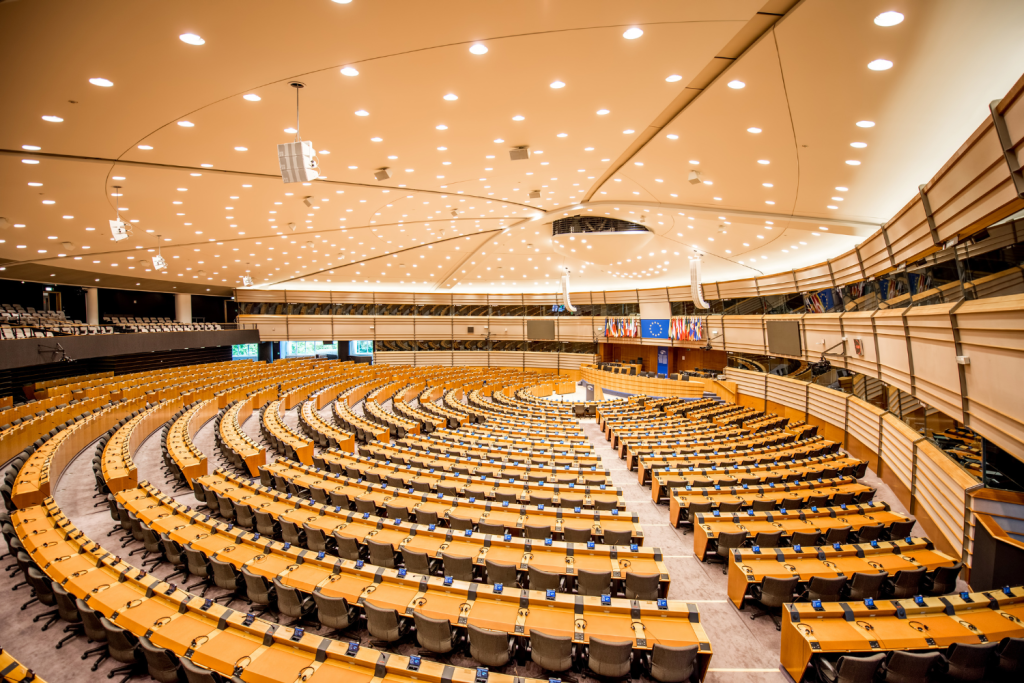
In this TEPSA Explainer, Ilke Toygür (analyst of European affairs at Elcano Royal Institute, Madrid) discusses the outcome of the Spanish general elections, held in April 2019, and the impact they will have in the 2019 European Parliament elections.
The European Parliament elections and Hungary
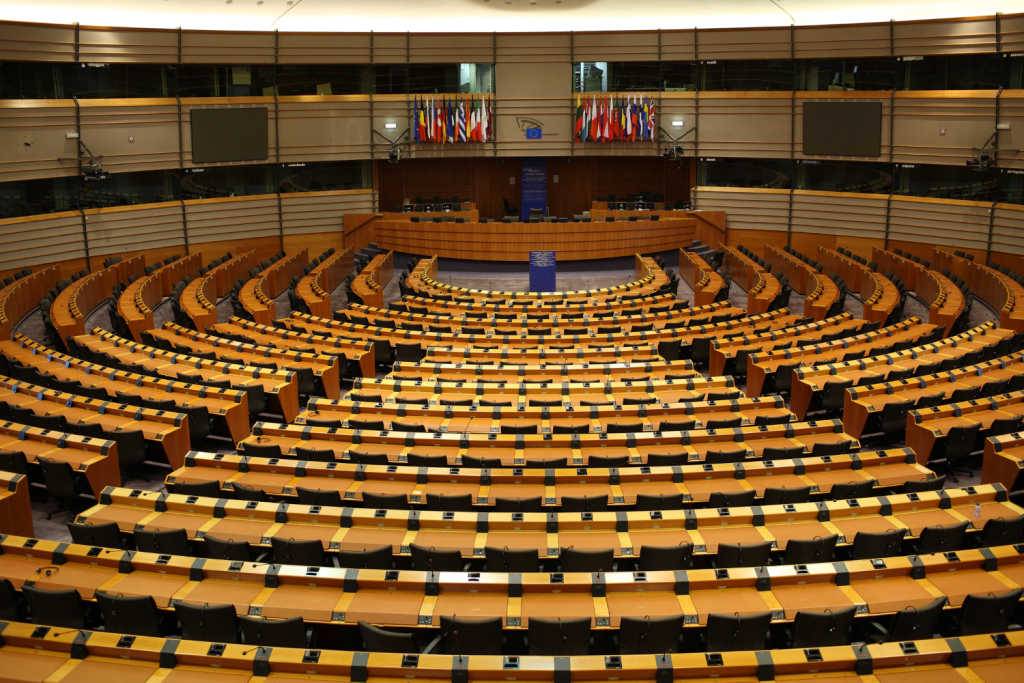
In this TEPSA Explainer, András Inotai (Research Professor at the Institute of World Economics, Budapest) discusses the upcoming European Parliament elections and the situation of Viktor Orbán’s party within the European People’s Party.
TEPSA Recommendations to the Romanian Presidency of the Council of the EU

In this TEPSA Explainer, Lucia Mokrá (Dean of the Faculty of Social and Economic Sciences of Comenius University in Bratislava and member of the TEPSA Board) and Kristi Raik (Director of the Estonian Foreign Policy Institute) present the main takeaways of the Recommendations that the experts from the TEPSA network addressed to the incoming Romanian Presidency of the Council of the EU, taking office on […]
Ukrainian citizens’ attitude towards European integration
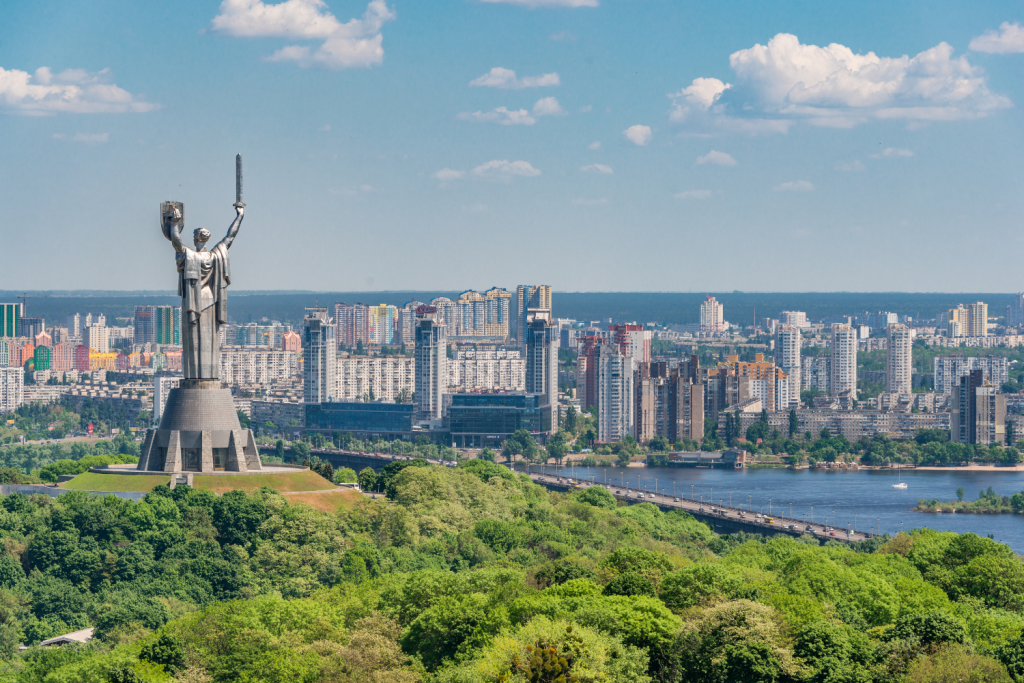
In this TEPSA Explainer, Yuriy Yakymenko (Deputy Director General at the Razumkov Centre, Kiev) discusses the dynamics of Ukrainian citizens’ attitude towards the EU and specific aspects of European self-identification processes among Ukrainians.
The future of Economic and Monetary Union
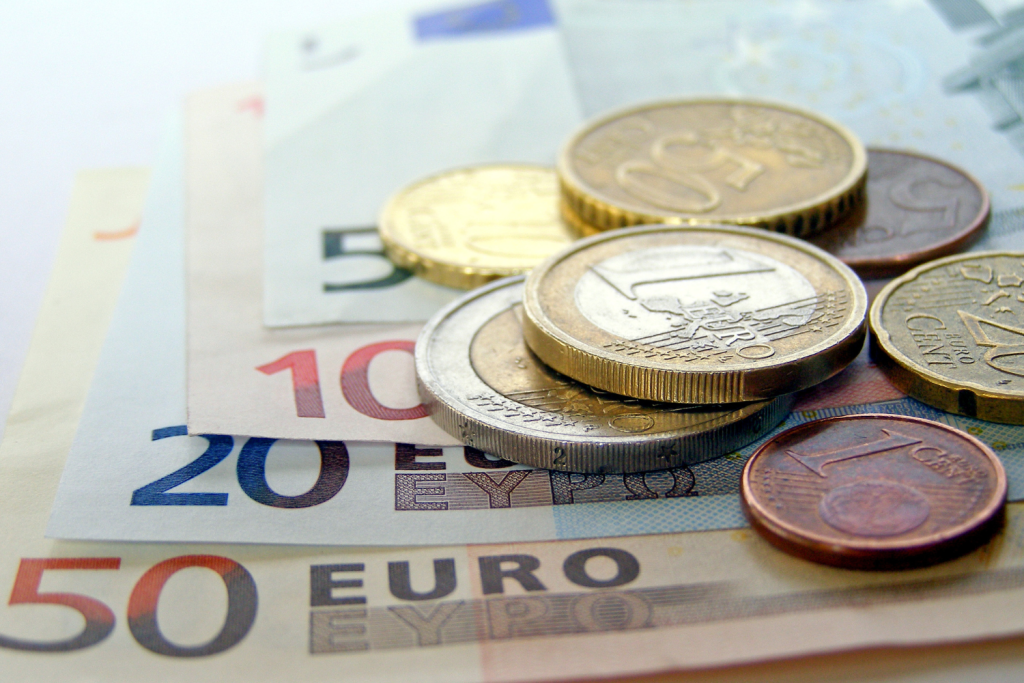
In this TEPSA Explainer, Michele Chang (Professor at the College of Europe and member of the TEPSA Board) discusses the future of the Economic and Monetary Union. She argues that although there is widespread agreement that the Euro area requires additional reforms, there are strong differences on sequencing of those reforms (specifically, if they should be targeted towards risk […]
Making the invisible visible – The EU’s impact on the lives of Slovenian people
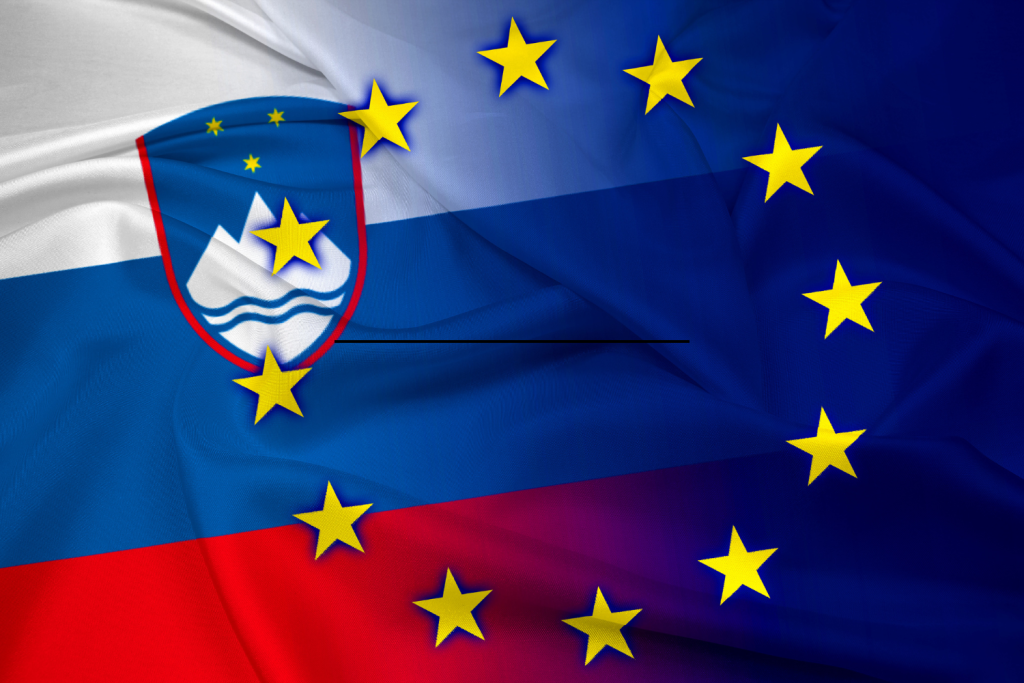
In this TEPSA Explainer, Maja Buçar (Head of the Centre of International Relations at the Faculty of Social Sciences, University of Ljubljana, Slovenia) argues that, since Slovenia has joined the EU, the cohesion and structural funds have made a considerable difference in many areas; yet, often this contribution is invisible. She concludes that awareness of the projects […]
The European Union Global Strategy and the EU’s role in the world
In this TEPSA Explainer, Pol Morillas (Director of the Barcelona Centre for International Affairs – CIDOB) talks about the EU Global Strategy and the EU’s role in the world. He argues that the EUGS embodies a new way to understand the EU’s engagement in world affairs and speaks as much about the EU’s role in the world […]
Spain’s firm Europeanism in an age of uncertainty
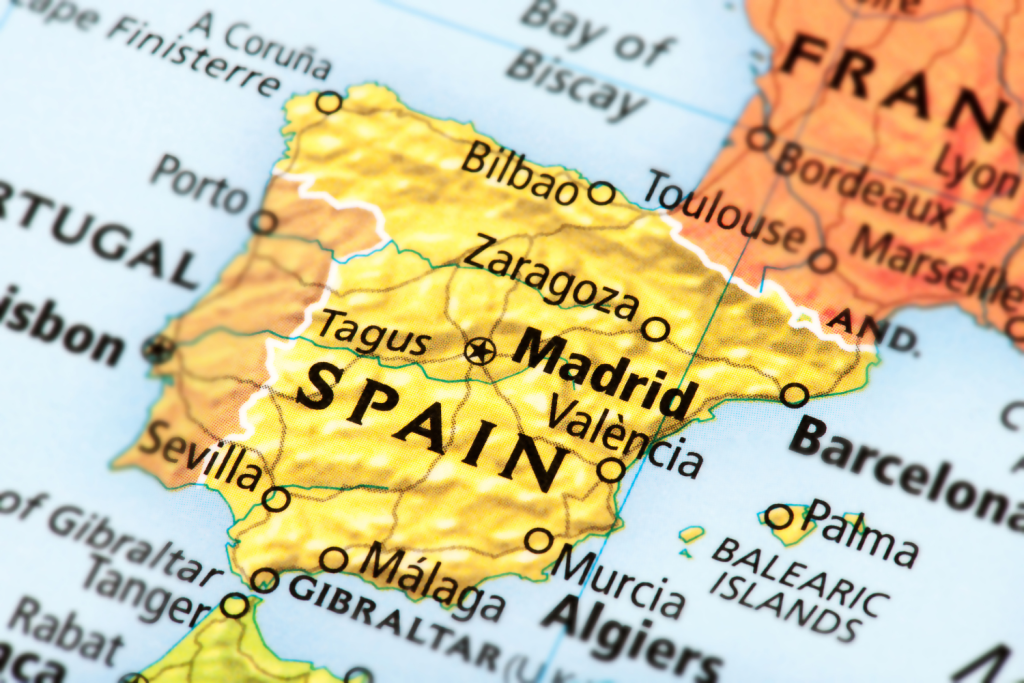
In this TEPSA Explainer, Salvador Llaudes (Analyst at the Elcano Royal Institute, Spain) discusses Spain’s views of the European Union and the reasons for Spain’s continuous support for European integration. He argues that Spanish citizens still value very much the way the EU has helped Spain consolidate as an advanced democracy and that they still consider that […]
How did Italians do it in the latest election campaign and what will come next?
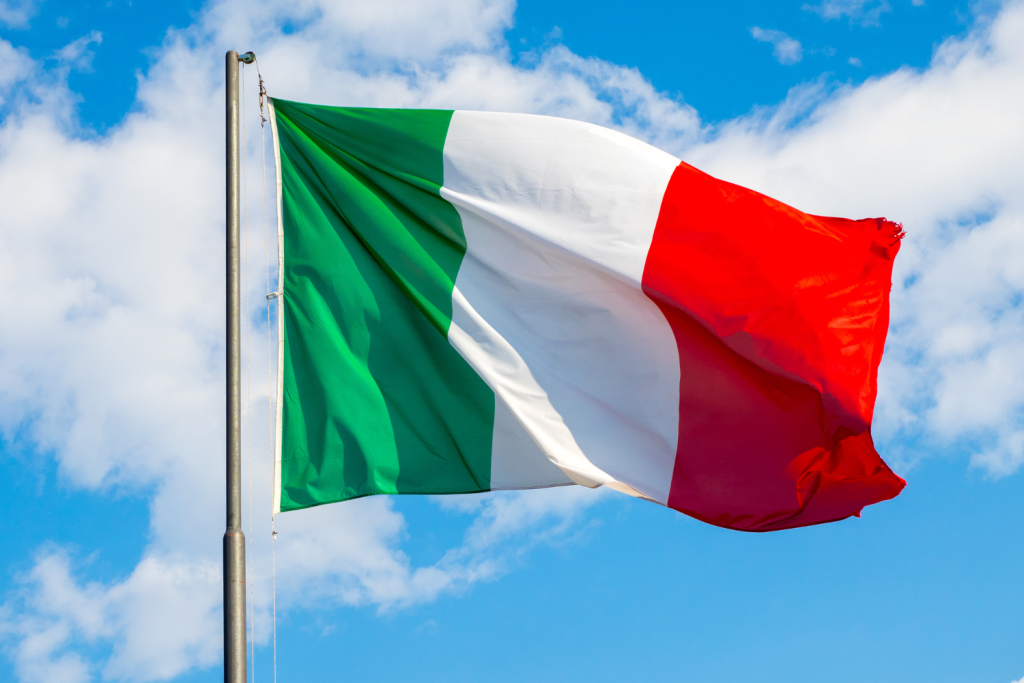
In this TEPSA Explainer, Dr Nicoletta Pirozzi (Head of the “EU, politics and institutions” programme and Institutional Relations Manager at Istituto Affari Internazionali (IAI) talks about the latest Italian elections and their (possible) impacts on Italian politics. Nicoletta Pirozzi is Head of the “EU, politics and institutions” programme and Institutional relations manager at Istituto Affari Internazionali (IAI). […]
TEPSA Recommendations to the Austrian Presidency of the Council of the EU
In this TEPSA Explainer Sabina Lange (European Institute of Public Administration, Maastricht), Brendan Donnelly (Federal Trust for Education and Research, London), Nicoletta Pirozzi (Istituto Affari Internazionali, Rome), Mario Kölling and Ignacio Molina (Elcano Royal Institute, Madrid) present the main points of the Recommendations that the experts from the TEPSA network addressed to the Austrian Presidency of the Council of the EU, taking […]
The new Austrian Government & EU integration and the upcoming EU-Council Presidency of Austria
This TEPSA Explainer discusses the political priorities of the Austrian Government in light of the upcoming Council Presidency and of the main challenges at the national and European level, including Brexit, the EU budget, immigration and the enlargement towards the Balkans. Paul Schmidt has been Secretary General of the Austrian Society for European Politics since 2009. Previously he […]
The meaning of the Italian elections for European migration policies
Moving from the results of the Italian elections of March 2018, this TEPSA Explainer analyses the role played by migration and the related policies at the European level in shaping them and the effects that these will have on the future development of a European system for managing migration flows. Anja Palm is Junior Researcher in […]